Text Link
Insights
July 8, 2026
Building for the Houston Heat: Designing a Home That Stays Comfortable Year-Round
Orientation Matters More Than You Think
The position of a home on its lot has a significant impact on how much heat it absorbs throughout the day.
In Houston, west-facing windows often receive the harshest afternoon sun, creating hot interior spaces and increasing cooling demands. Whenever site conditions allow, thoughtful orientation can reduce solar heat gain while maximizing natural daylight.
Design strategies may include:
- Limiting large expanses of west-facing glass
- Positioning primary living spaces to receive softer morning light
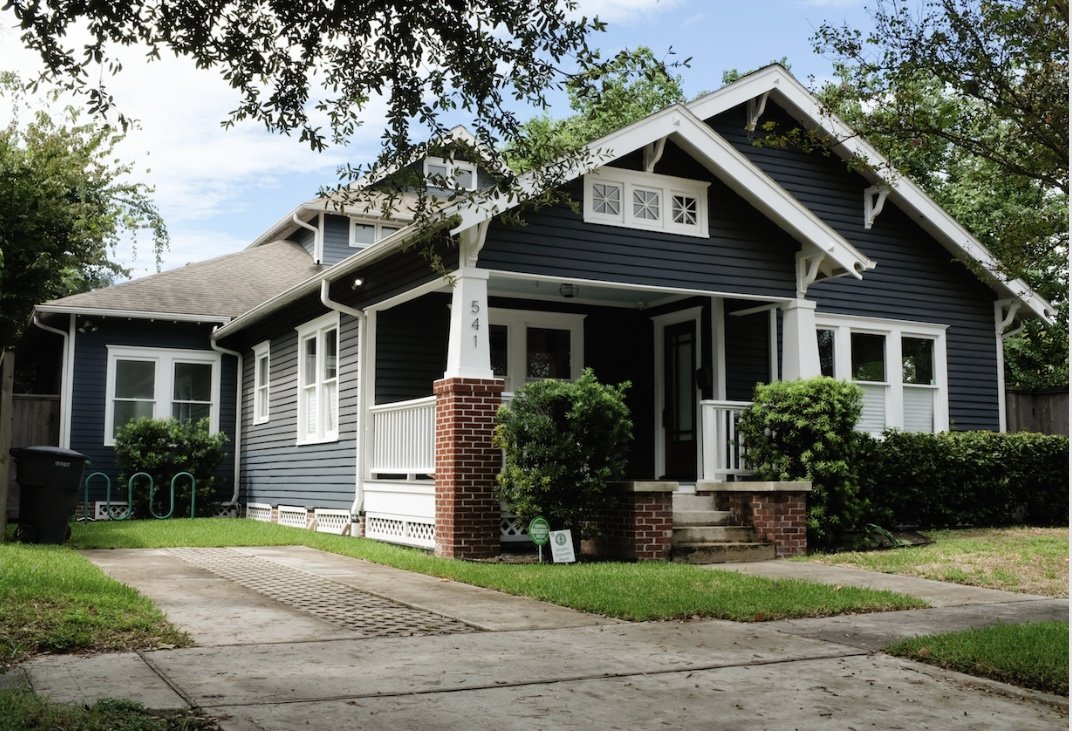
- Using covered porches to shade exterior walls
- Taking advantage of existing trees for natural shade
These considerations are easiest to incorporate early in the design process, before construction begins.
High-Performance Windows Make a Big Difference
Windows are one of the largest contributors to heat gain in a home. Selecting the right products can dramatically improve comfort while reducing energy consumption.
Key features to consider include:
- Low-E (low emissivity) glass coatings
- Double- or triple-pane insulated glass
- Appropriate Solar Heat Gain Coefficient (SHGC)
- Quality weatherstripping and seals
- Durable, thermally efficient window frames
The goal is to allow natural light into the home while minimizing unwanted heat transfer.
Insulation Is About More Than Energy Savings
Many people think of insulation strictly in terms of reducing utility bills, but it also plays a major role in creating a consistently comfortable home.
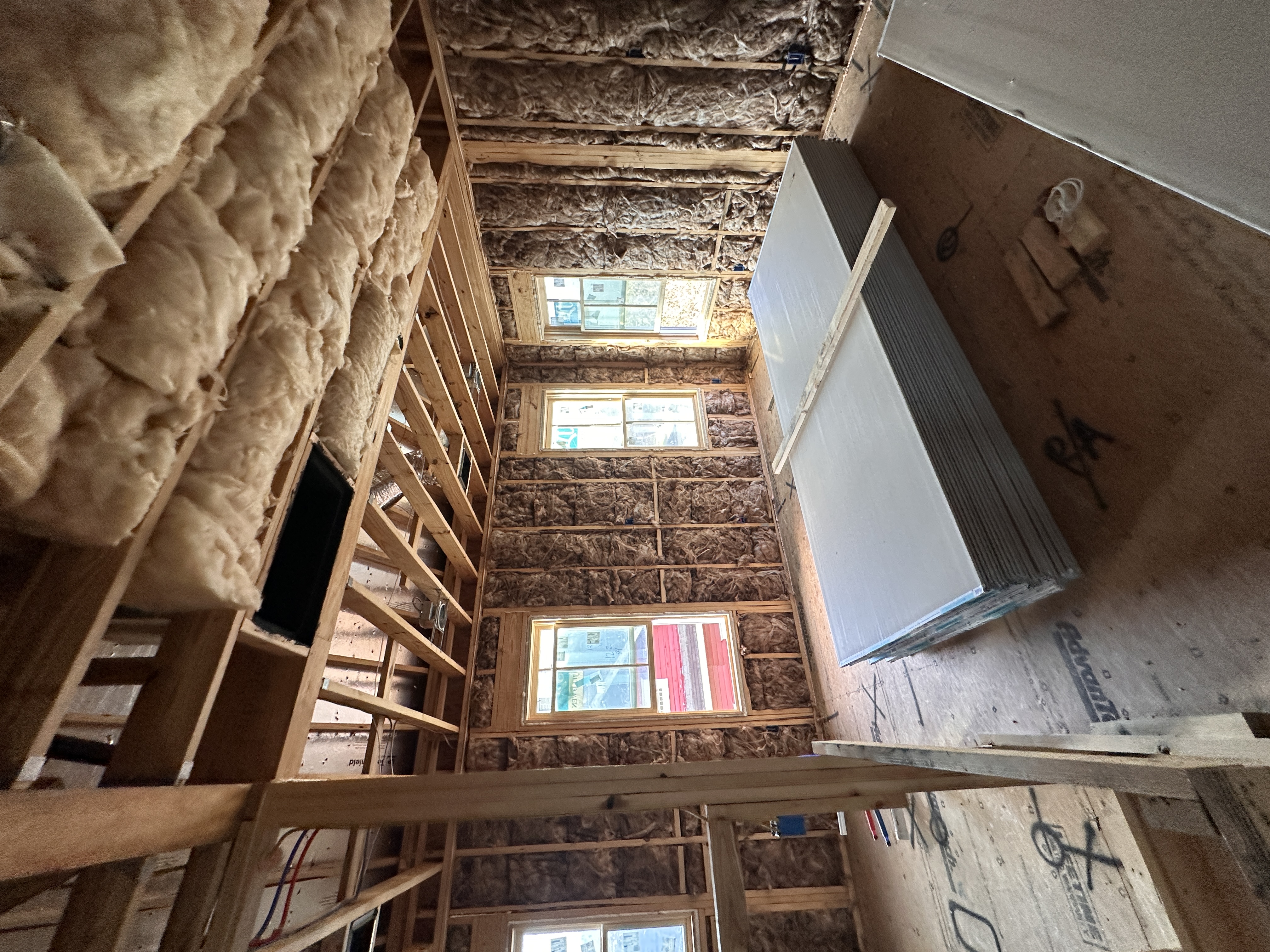
A properly insulated home helps:
- Maintain stable indoor temperatures
- Reduce hot and cold spots
- Minimize HVAC runtime
- Improve sound control between rooms
- Increase overall energy efficiency
Equally important is proper air sealing. Even the best insulation performs poorly if conditioned air is escaping through gaps around windows, doors, or penetrations in the building envelope.
HVAC Design Should Be Customized—Not Oversized
One of the biggest misconceptions in residential construction is that a larger air conditioning system automatically provides better comfort.
In reality, an oversized system may cool the home too quickly without removing enough humidity, leaving the space feeling cool but damp.
Proper HVAC design considers:
- Square footage
- Ceiling heights
- Window area
- Insulation levels
- Solar exposure
- Air leakage
- Occupancy patterns
A professionally designed system provides balanced airflow, effective humidity control, and improved efficiency throughout the year.
Outdoor Living Spaces Can Improve Indoor Comfort
Covered outdoor spaces aren't just enjoyable places to relax—they also help protect the home itself.
Features such as covered patios, deep porch overhangs, pergolas, and exterior shade structures reduce direct sunlight on windows and exterior walls.
Benefits include:
- Lower interior temperatures
- Reduced cooling demand
- More usable living space
Thoughtfully designed outdoor areas enhance both comfort and functionality.
Roofing and Exterior Materials Matter
Every exterior material absorbs and releases heat differently.
Choosing appropriate roofing and siding materials can improve a home's overall thermal performance while reducing maintenance over time.
Considerations include:
- Reflective roofing materials
- Proper attic ventilation
- Durable exterior cladding
- Moisture-resistant assemblies
- Ventilated roof systems where appropriate
These components work together to protect the home from both heat and humidity.
Don't Overlook Humidity
Houston's humidity is often just as challenging as its high temperatures.
Without proper moisture management, excess humidity can contribute to:
- Mold growth
- Wood movement
- Reduced indoor comfort
- Higher cooling costs
- Poor indoor air quality
Effective moisture control begins with a well-designed building envelope and extends to properly sized HVAC equipment, ventilation systems, and quality air sealing.
Comfort isn't just about temperature—it's about maintaining the right balance of temperature and humidity.
Smart Home Technology Adds Another Layer of Comfort
Modern home technology makes it easier than ever to manage comfort efficiently.
Homeowners may choose to incorporate:
- Smart thermostats
- Automated shading systems
- Remote HVAC controls
- Energy monitoring
- Zoned climate control
- Weather-responsive irrigation systems
These features provide greater control while helping optimize energy use throughout the year.
Plan for Comfort From Day One
The most comfortable homes aren't defined by one premium product or expensive upgrade. They're the result of many thoughtful decisions working together—from site orientation and insulation to window placement, HVAC design, and outdoor living spaces.
Designing for Houston's climate means considering not only how a home looks, but how it performs every day, in every season.
At Bicycle Bungalows, we believe every custom home should be tailored to both the people who live in it and the environment that surrounds it. By planning with Houston's unique climate in mind from the very beginning, we help create homes that are comfortable, efficient, and built to stand the test of time.
Thinking About Building or Renovating?
Whether you're planning a custom home, a major renovation, or an addition, early design decisions have a lasting impact on comfort and performance. Our team works closely with homeowners to ensure every project is thoughtfully designed for the realities of Houston living—creating spaces that are as functional as they are beautiful.
Resources & FAQS
Explore More Resource Posts
August 12, 2026
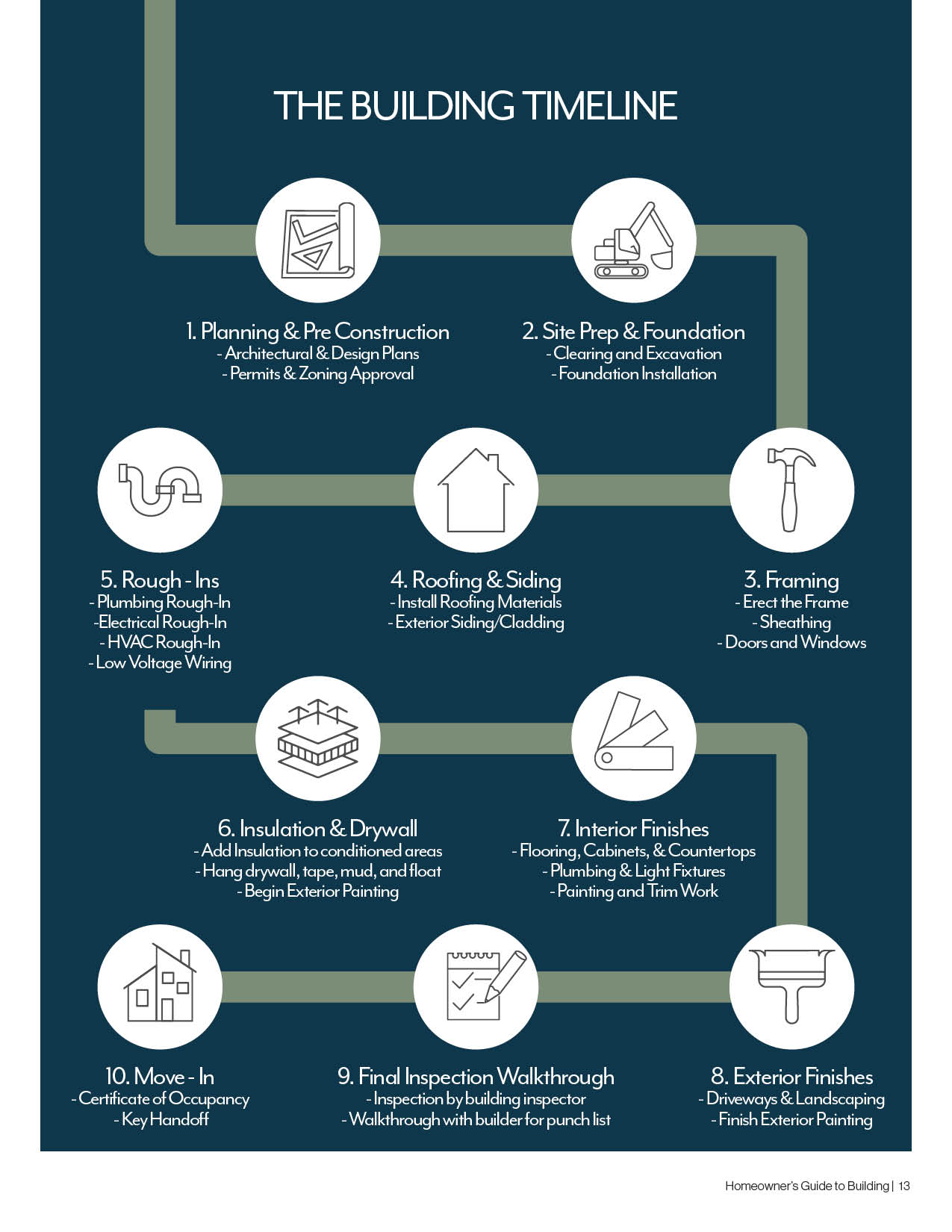
Understanding the Home Building Timeline: What to Expect From Start to FinishBuilding a custom home or completing a major renovation is an exciting journey, but for many homeowners, it can also feel overwhelming. With so many moving parts, it's natural to wonder what happens next and how everything fits together. While every project is unique, most follow a similar sequence. Understanding the construction process ahead of time helps set realistic expectations and makes the experience more enjoyable. At Bicycle Bungalows, we believe informed homeowners make confident decisions. Here's a high-level look at what you can expect from the first conversation to the day you move into your completed home.
August 5, 2026
What Does A Builder Actually Do?When most people think about building or renovating a home, they picture the visible parts of construction—framers raising walls, electricians wiring a home, or painters putting on the finishing touches. But behind every successful project is someone coordinating all of those moving pieces: the general contractor. A general contractor does much more than hire subcontractors or oversee construction. They manage the countless details, decisions, and logistics that keep a project moving from concept to completion. At Bicycle Bungalows, we believe understanding a builder's role helps homeowners feel more confident throughout the construction process. Here's a closer look at what a general contractor actually does—and why that role is so important.

July 29, 2026
10 Features Homeowners Wish They Had Included During ConstructionWhen planning a custom home, renovation, or addition, it's easy to focus on the big decisions—floor plans, countertops, cabinetry, and finishes. But after construction is complete and homeowners have lived in the space for a while, it's often the smaller details that make the biggest difference in day-to-day life. At Bicycle Bungalows, we've seen firsthand which features homeowners appreciate years after moving in—and which ones they wish they had considered before construction began. Here are ten upgrades that consistently deliver long-term value, convenience, and functionality.

July 22, 2026
Why Home Projects Start Months Before ConstructionOne of the most common questions we hear from homeowners is, "When can we start building?" It's an exciting question, but the answer often surprises people. The reality is that the most successful projects begin long before construction crews arrive on site. The months leading up to breaking ground are where many of the most important decisions are made—decisions that directly impact the budget, schedule, and overall success of the project. At Bicycle Bungalows, we believe investing time in planning isn't a delay—it's one of the best ways to ensure a smoother construction experience and a better finished home.

July 15, 2026
Designing Outdoor Living Spaces You'll Actually UseA great backyard is about more than a beautiful patio or a built-in grill. The best outdoor living spaces are thoughtfully designed to fit the way you and your family actually live. Whether you're hosting neighborhood cookouts, enjoying a quiet morning coffee, or spending evenings around a fire pit, every element should work together to create an inviting and functional extension of your home. At Bicycle Bungalows, we encourage homeowners to think beyond individual features and instead consider how their entire outdoor space will function. With the right planning, your backyard can become one of the most enjoyable "rooms" of your home.
July 1, 2026
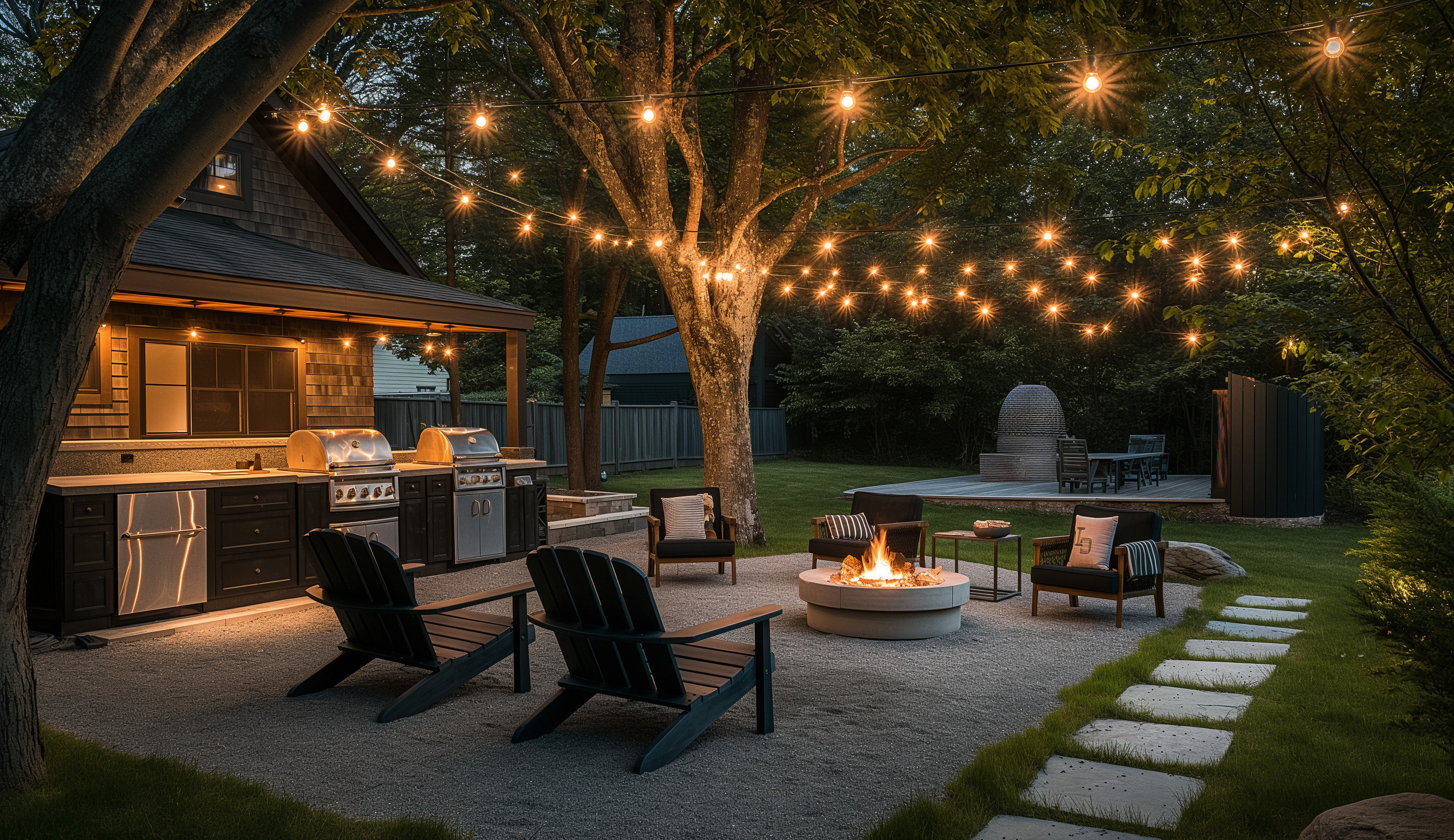
Outdoor Kitchens: Planning the Perfect Backyard Cooking SpaceThere’s a big difference between setting a grill on a patio and creating a true outdoor kitchen. A well-designed outdoor kitchen becomes an extension of the home—providing a place to cook, entertain, gather with family, and enjoy the outdoors year-round.Whether you're planning a simple grilling station or a fully equipped outdoor living area, thoughtful planning early in the design process can save significant time, money, and frustration later. Here are some of the key considerations we discuss with homeowners when designing an outdoor kitchen.
Contact us today
Let's Build Your Dream Home
Contact us today for a personalized consultation and discover how we can transform your space.