Text Link
Insights
July 1, 2026
Outdoor Kitchens: Planning the Perfect Backyard Cooking Space
Start With a Plan, Not Just Appliances
One of the most common mistakes homeowners make is selecting appliances before determining how the space will actually be used.
Before choosing a grill, pizza oven, smoker, or beverage station, consider:
- How many people do you typically entertain?
- Will the space be used primarily for cooking, dining, or socializing?
- Do you envision quick weeknight meals or larger gatherings?
- Will the kitchen be covered or exposed to the elements?
- How close is the outdoor kitchen to the interior kitchen?
Answering these questions helps establish the appropriate size, layout, and utility requirements before construction begins.
A well-planned outdoor kitchen should feel intentional and integrated into the home rather than appearing as an afterthought added to the patio.
Understanding Utility Requirements
Unlike a standalone grill, a permanent outdoor kitchen often requires several utility connections that should be planned well before construction begins.
Gas
Natural gas is one of the most common utility upgrades for outdoor kitchens.
Benefits include:
- No propane tank replacements
- Consistent fuel supply
- Lower long-term operating costs
- Ability to serve multiple appliances
Gas can supply:
- Built-in grills
- Side burners
- Outdoor fireplaces
- Patio heaters
- Pizza ovens
- Fire features
The location and sizing of gas lines should be determined during the design phase to ensure adequate capacity for all planned appliances.
Electrical
Most modern outdoor kitchens require significantly more electrical service than many homeowners realize.
Electrical needs may include:
- Appliance power
- Refrigeration
- Ice makers
- Outdoor televisions
- Task lighting
- Landscape lighting
- Sound systems
- Charging stations
- Ventilation equipment
Careful planning allows outlets, switches, and lighting controls to be incorporated cleanly into the design rather than added later.
Water Supply
Adding water dramatically increases the functionality of an outdoor kitchen.
Common features include:
- Prep sinks
- Bar sinks
- Pot fillers
- Beverage stations
Having running water nearby eliminates constant trips back into the house and makes cleanup much more convenient.
Drainage
Drainage is often overlooked but is critical for long-term performance.
Depending on local requirements and the kitchen design, drainage considerations may include:
- Sink waste lines
- Surface drainage
- Floor drains
- Patio slope management
Proper drainage helps prevent standing water, staining, and premature deterioration of finishes.
Choosing the Right Layout
The ideal layout depends on how you cook and entertain.
Linear Layout
A straight-line configuration is one of the simplest and most cost-effective options.
Advantages include:
- Lower construction cost
- Efficient use of smaller spaces
- Easy utility routing
- Clean, streamlined appearance
This layout works particularly well for homeowners focused primarily on grilling.
L-Shaped Layout
An L-shaped kitchen creates dedicated zones for cooking and preparation.
Benefits include:
- Increased counter space
- Better workflow
- Improved separation of functions
- More storage opportunities
This is often a great middle ground between a simple grill station and a larger outdoor kitchen.
U-Shaped Layout
For homeowners who frequently entertain, a U-shaped configuration provides maximum functionality.
Advantages include:
- Extensive workspace
- Multiple cooking zones
- Increased storage
- Efficient movement between appliances
The additional countertop space also allows guests to gather while keeping cooking activities organized.
Island Layout
An island-centered design creates a highly social environment.
Benefits include:
- Encourages interaction with guests
- Creates casual seating opportunities
- Establishes a central focal point
- Works well in larger outdoor living spaces
This layout is particularly popular for homeowners who regularly host gatherings.
Specialty Features Worth Considering
Today's outdoor kitchens can offer much more than a grill and countertop.
Refrigeration
Outdoor-rated refrigerators help keep drinks, ingredients, and condiments within reach.
Benefits include:
- Reduced trips indoors
- Better entertaining flow
- Additional food storage
Pizza Ovens
Wood-fired and gas-fired pizza ovens have become increasingly popular.
Beyond pizza, they can be used for:
- Roasted vegetables
- Bread
- Seafood
- Steaks
- Desserts
Smokers
For barbecue enthusiasts, incorporating a dedicated smoker into the design creates a more versatile cooking environment.
Popular options include:
- Offset smokers
- Pellet smokers
- Kamado-style cookers
Beverage Centers
Dedicated beverage stations can include:
- Ice makers
- Wine refrigerators
- Beer taps
- Beverage coolers
- Bar sinks
These features help separate food preparation from drink service during gatherings.
Outdoor Ventilation
When outdoor kitchens are located beneath covered patios or structures, ventilation becomes increasingly important.
Proper vent hoods can help:
- Remove smoke
- Improve comfort
- Protect finishes
- Reduce grease buildup
Storage Solutions
Weather-resistant storage is one of the most appreciated upgrades.
Common additions include:
- Grill utensil drawers
- Trash pull-outs
- Paper towel storage
- Dry storage cabinets
- Propane storage compartments
Thoughtful storage helps keep the kitchen organized and functional year-round.
Designing for Long-Term Enjoyment
An outdoor kitchen is most successful when it is designed as part of a larger outdoor living strategy rather than as a standalone feature.
Consider how the kitchen relates to:
- Covered patios
- Dining areas
- Pools
- Fire features
- Seating areas
- Landscape design
- Views from the home
When these elements work together, the result is a space that feels like a natural extension of the house and encourages more time spent outdoors.
At Bicycle Bungalows, we believe outdoor kitchens should be designed around how homeowners actually live and entertain. By carefully planning layouts, utilities, finishes, and specialty features from the beginning, homeowners can create outdoor spaces that remain functional, durable, and enjoyable for years to come.
Thinking about adding an outdoor kitchen to your home? Early planning is one of the most valuable investments you can make. Whether you're envisioning a simple built-in grill or a fully equipped backyard culinary space, a thoughtful design process helps ensure every detail works together seamlessly before construction begins.
Resources & FAQS
Explore More Resource Posts
August 12, 2026
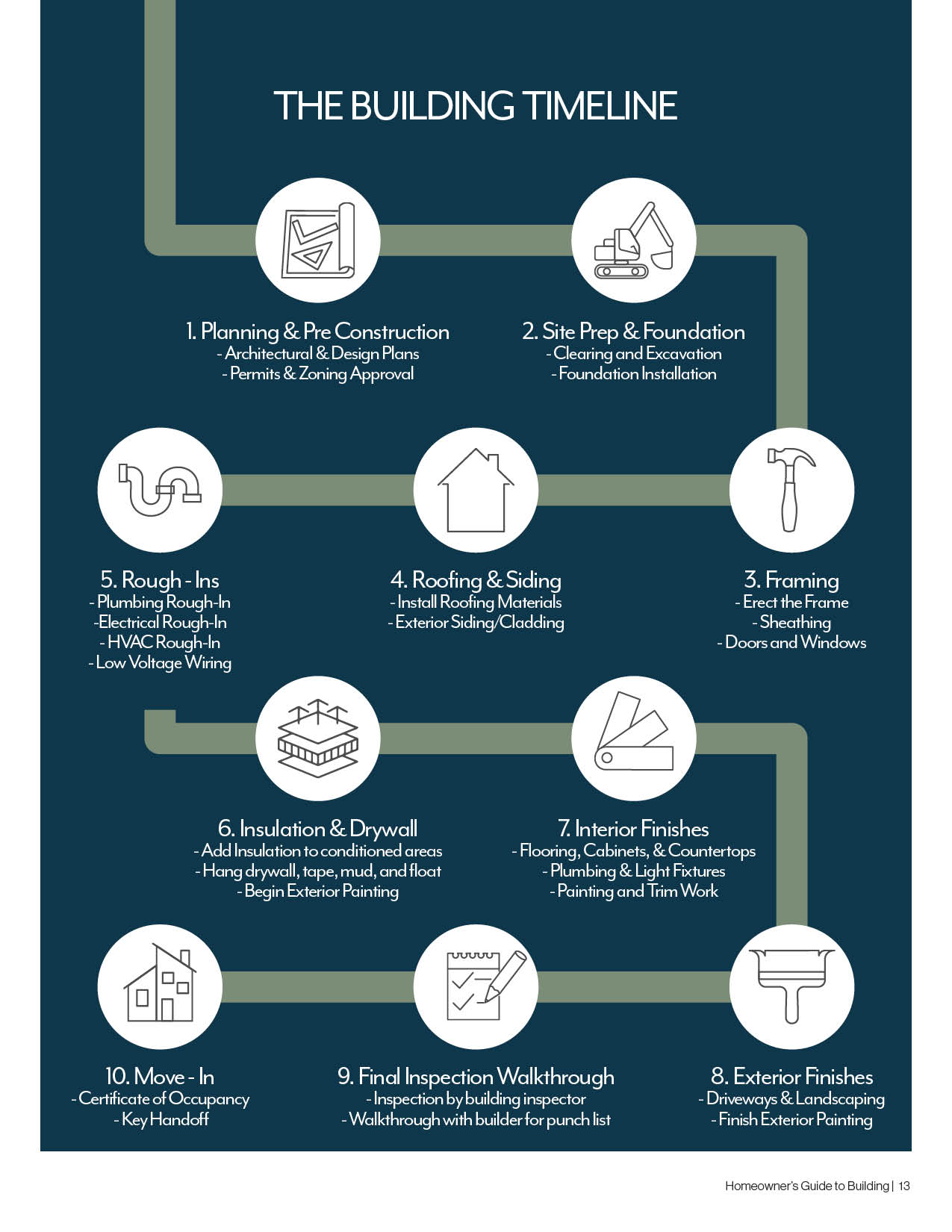
Understanding the Home Building Timeline: What to Expect From Start to FinishBuilding a custom home or completing a major renovation is an exciting journey, but for many homeowners, it can also feel overwhelming. With so many moving parts, it's natural to wonder what happens next and how everything fits together. While every project is unique, most follow a similar sequence. Understanding the construction process ahead of time helps set realistic expectations and makes the experience more enjoyable. At Bicycle Bungalows, we believe informed homeowners make confident decisions. Here's a high-level look at what you can expect from the first conversation to the day you move into your completed home.
August 5, 2026
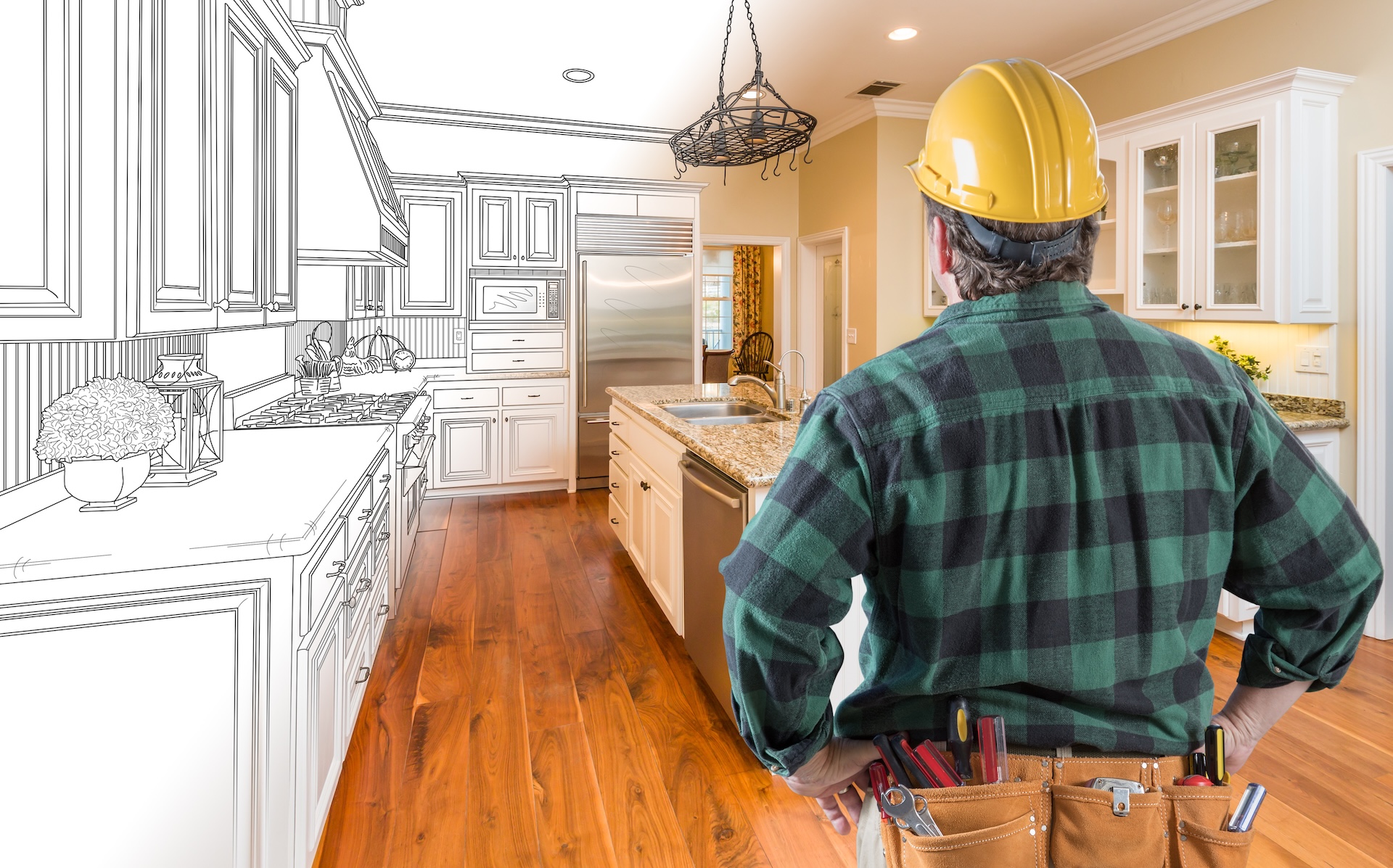
What Does A Builder Actually Do?When most people think about building or renovating a home, they picture the visible parts of construction—framers raising walls, electricians wiring a home, or painters putting on the finishing touches. But behind every successful project is someone coordinating all of those moving pieces: the general contractor. A general contractor does much more than hire subcontractors or oversee construction. They manage the countless details, decisions, and logistics that keep a project moving from concept to completion. At Bicycle Bungalows, we believe understanding a builder's role helps homeowners feel more confident throughout the construction process. Here's a closer look at what a general contractor actually does—and why that role is so important.

July 29, 2026
10 Features Homeowners Wish They Had Included During ConstructionWhen planning a custom home, renovation, or addition, it's easy to focus on the big decisions—floor plans, countertops, cabinetry, and finishes. But after construction is complete and homeowners have lived in the space for a while, it's often the smaller details that make the biggest difference in day-to-day life. At Bicycle Bungalows, we've seen firsthand which features homeowners appreciate years after moving in—and which ones they wish they had considered before construction began. Here are ten upgrades that consistently deliver long-term value, convenience, and functionality.

July 22, 2026
Why Home Projects Start Months Before ConstructionOne of the most common questions we hear from homeowners is, "When can we start building?" It's an exciting question, but the answer often surprises people. The reality is that the most successful projects begin long before construction crews arrive on site. The months leading up to breaking ground are where many of the most important decisions are made—decisions that directly impact the budget, schedule, and overall success of the project. At Bicycle Bungalows, we believe investing time in planning isn't a delay—it's one of the best ways to ensure a smoother construction experience and a better finished home.

July 15, 2026
Designing Outdoor Living Spaces You'll Actually UseA great backyard is about more than a beautiful patio or a built-in grill. The best outdoor living spaces are thoughtfully designed to fit the way you and your family actually live. Whether you're hosting neighborhood cookouts, enjoying a quiet morning coffee, or spending evenings around a fire pit, every element should work together to create an inviting and functional extension of your home. At Bicycle Bungalows, we encourage homeowners to think beyond individual features and instead consider how their entire outdoor space will function. With the right planning, your backyard can become one of the most enjoyable "rooms" of your home.
July 8, 2026
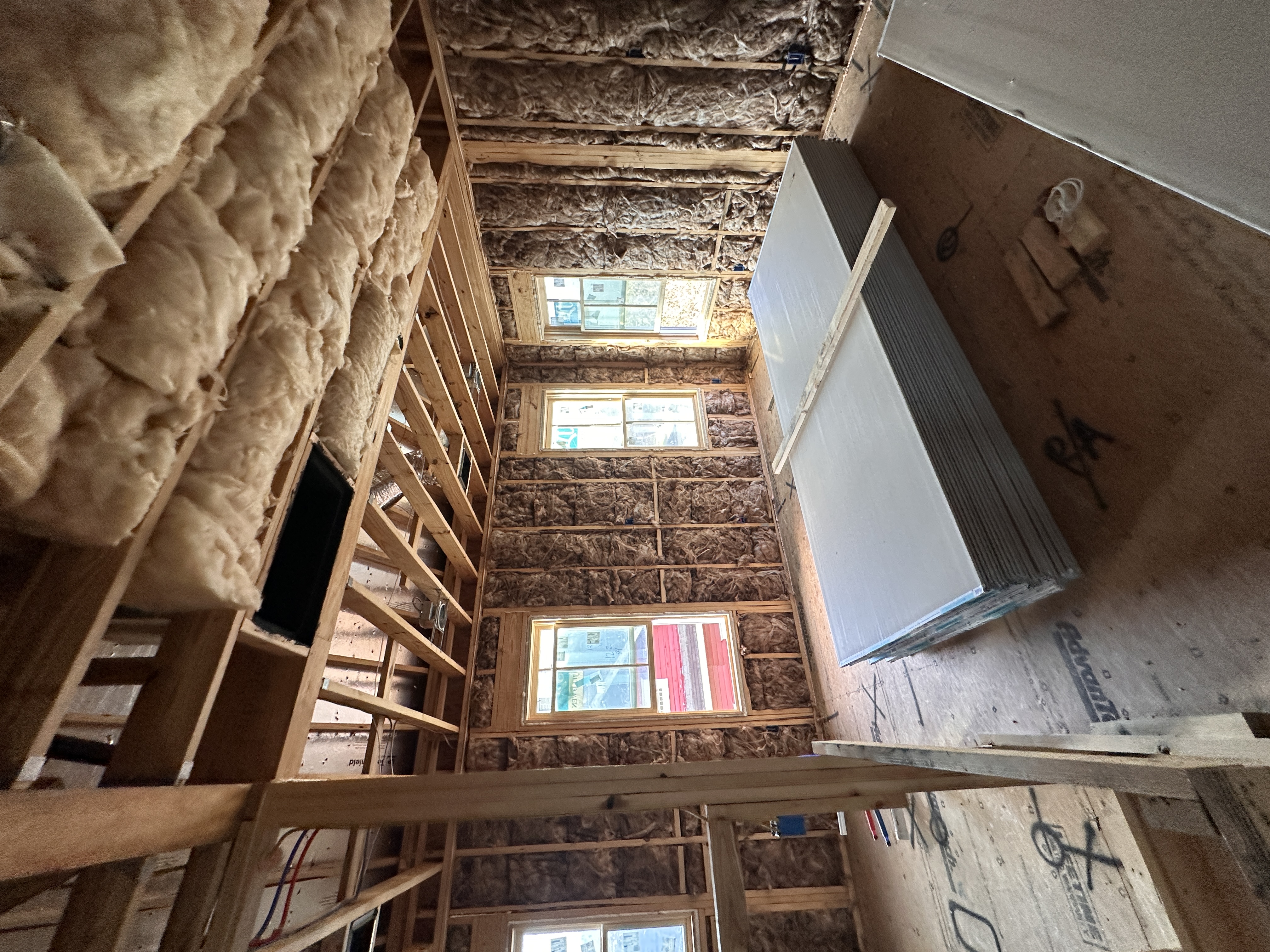
Building for the Houston Heat: Designing a Home That Stays Comfortable Year-RoundHouston's climate presents unique challenges for homeowners. Long summers, high humidity, intense sun, and frequent storms all place added demands on a home's performance. While air conditioning plays an important role, true comfort begins long before the HVAC system is turned on. It starts with thoughtful design and smart construction decisions.At Bicycle Bungalows, we believe a well-designed home should work with its environment—not against it. By considering how a home responds to Houston's climate from the earliest stages of design, homeowners can enjoy greater comfort, lower energy costs, and improved long-term durability.
Contact us today
Let's Build Your Dream Home
Contact us today for a personalized consultation and discover how we can transform your space.