
Text Link
Insights
July 22, 2026
Why Home Projects Start Months Before Construction
Every Great Project Starts With Clear Goals
Before discussing floor plans or finishes, it's important to define what success looks like for your project.
Ask yourself:
- How do you want your home to function differently?
- What problems are you trying to solve?
- How long do you plan to stay in the home?
- What are your must-haves versus nice-to-haves?
- What budget feels comfortable for your family?
Having clear answers to these questions helps guide every decision that follows.
Design Comes Before Pricing
Many homeowners understandably want an exact construction cost before investing in design. However, the reality is that pricing depends on the details.
The size of the home, structural requirements, material selections, site conditions, and countless other factors all influence the final cost.
Starting with a thoughtful design allows your builder to provide pricing that reflects the actual scope of work, rather than a rough estimate based on assumptions.
The more complete the plans, the more accurate the budget can be.
Site Conditions Can Shape the Entire Project
Every property is different, and understanding the site early helps avoid costly surprises later.
Depending on the project, this may include:
- Property surveys
- Existing utility locations
- Drainage evaluation
- Floodplain considerations
- Tree protection requirements
- Soil conditions
- Easements and setback requirements
Identifying these factors before construction begins gives the design team an opportunity to address challenges while they're still on paper—where changes are far less expensive.
Material Selections Affect Both Budget and Schedule
One of the biggest causes of construction delays is waiting on products that weren't selected early enough.
Items with longer lead times often include:
- Windows and exterior doors
- Custom cabinetry
- Specialty appliances
- Plumbing fixtures
- Tile and stone
- Lighting
- Flooring
Making these decisions during pre-construction allows ordering to begin early and helps keep the project moving once construction starts.
Permits and Approvals Take Time
Every project must navigate local requirements before work can begin.
Depending on the scope, this may include:
- Architectural review
- Engineering
- Permit applications
- HOA approvals
- City reviews
- Utility coordination
While much of this happens behind the scenes, these steps are essential to ensuring construction proceeds safely and legally.
Starting early helps reduce the likelihood of delays once the project is ready to move forward.
Pre-Construction Is Where the Details Come Together
The planning phase is about much more than drawings.
During this time, homeowners and builders work together to make dozens of important decisions, including:
- Kitchen layouts
- Bathroom configurations
- Electrical outlet locations
- Lighting plans
- HVAC design
- Cabinet details
- Window placement
- Flooring transitions
- Interior trim
- Exterior finishes
Addressing these decisions before construction minimizes last-minute changes and helps everyone stay aligned throughout the project.
Good Planning Helps Control Costs
No construction project is completely free of surprises, but thorough planning significantly reduces them.
Taking time upfront allows homeowners to:
- Understand the budget before construction begins
- Compare material options
- Identify potential cost-saving opportunities
- Reduce change orders
- Minimize scheduling disruptions
A well-planned project typically experiences fewer unexpected decisions during construction, making the process less stressful for everyone involved.
Communication Starts Before Construction
One of the most valuable parts of pre-construction is building a strong working relationship between the homeowner and the project team.
This is the time to discuss:
- Project expectations
- Communication preferences
- Scheduling milestones
- Decision deadlines
- Budget priorities
- Potential challenges
When everyone begins the project with a shared understanding, construction tends to move more smoothly from start to finish.
Why We Encourage Homeowners to Plan Early
Many homeowners contact a builder only after they've finalized plans or hope to begin construction within a few weeks. While that may work in some cases, involving your builder earlier often leads to better outcomes.
When a builder is part of the conversation during design, they can provide valuable insight into:
- Constructability
- Budget alignment
- Material availability
- Scheduling
- Value engineering opportunities
- Long-term maintenance considerations
Rather than reacting to decisions after they're made, your builder becomes a collaborative partner throughout the planning process.
A Better Project Begins Before Groundbreaking
Construction is the most visible part of a home project, but it's only one chapter of the story. The work done before breaking ground—defining goals, refining plans, coordinating consultants, selecting materials, and establishing a realistic budget—lays the foundation for everything that follows.
At Bicycle Bungalows, we view pre-construction as one of the most important investments a homeowner can make. By taking the time to plan carefully, we help our clients build with greater confidence, fewer surprises, and a clearer path from concept to completion.
Ready to Start Planning?
Whether you're considering a custom home, an addition, or a major renovation, the best time to begin is often earlier than you think. Even if construction is still months away, starting the conversation now allows time to develop thoughtful plans, establish a realistic budget, and prepare for a smoother building experience.
Resources & FAQS
Explore More Resource Posts
August 12, 2026
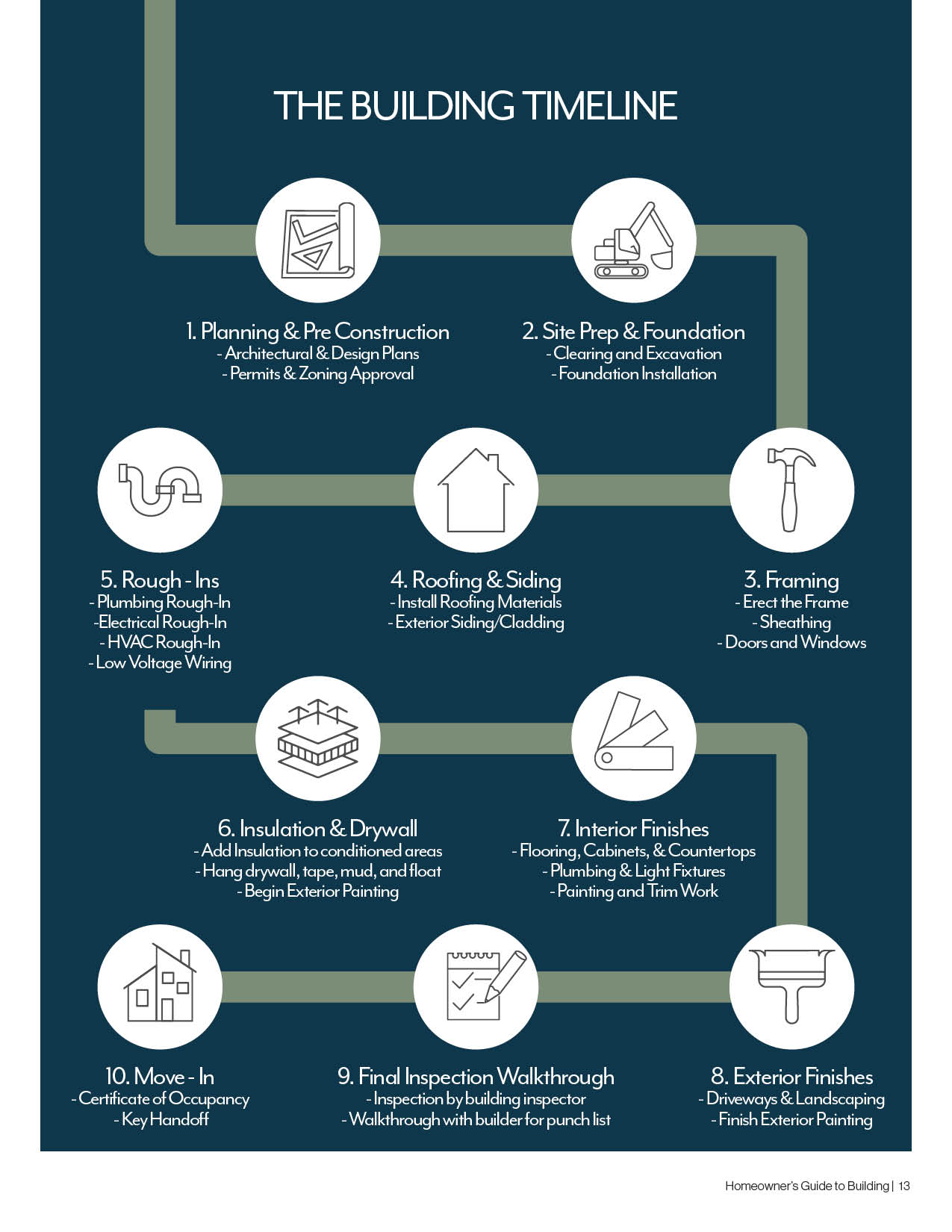
Understanding the Home Building Timeline: What to Expect From Start to FinishBuilding a custom home or completing a major renovation is an exciting journey, but for many homeowners, it can also feel overwhelming. With so many moving parts, it's natural to wonder what happens next and how everything fits together. While every project is unique, most follow a similar sequence. Understanding the construction process ahead of time helps set realistic expectations and makes the experience more enjoyable. At Bicycle Bungalows, we believe informed homeowners make confident decisions. Here's a high-level look at what you can expect from the first conversation to the day you move into your completed home.
August 5, 2026
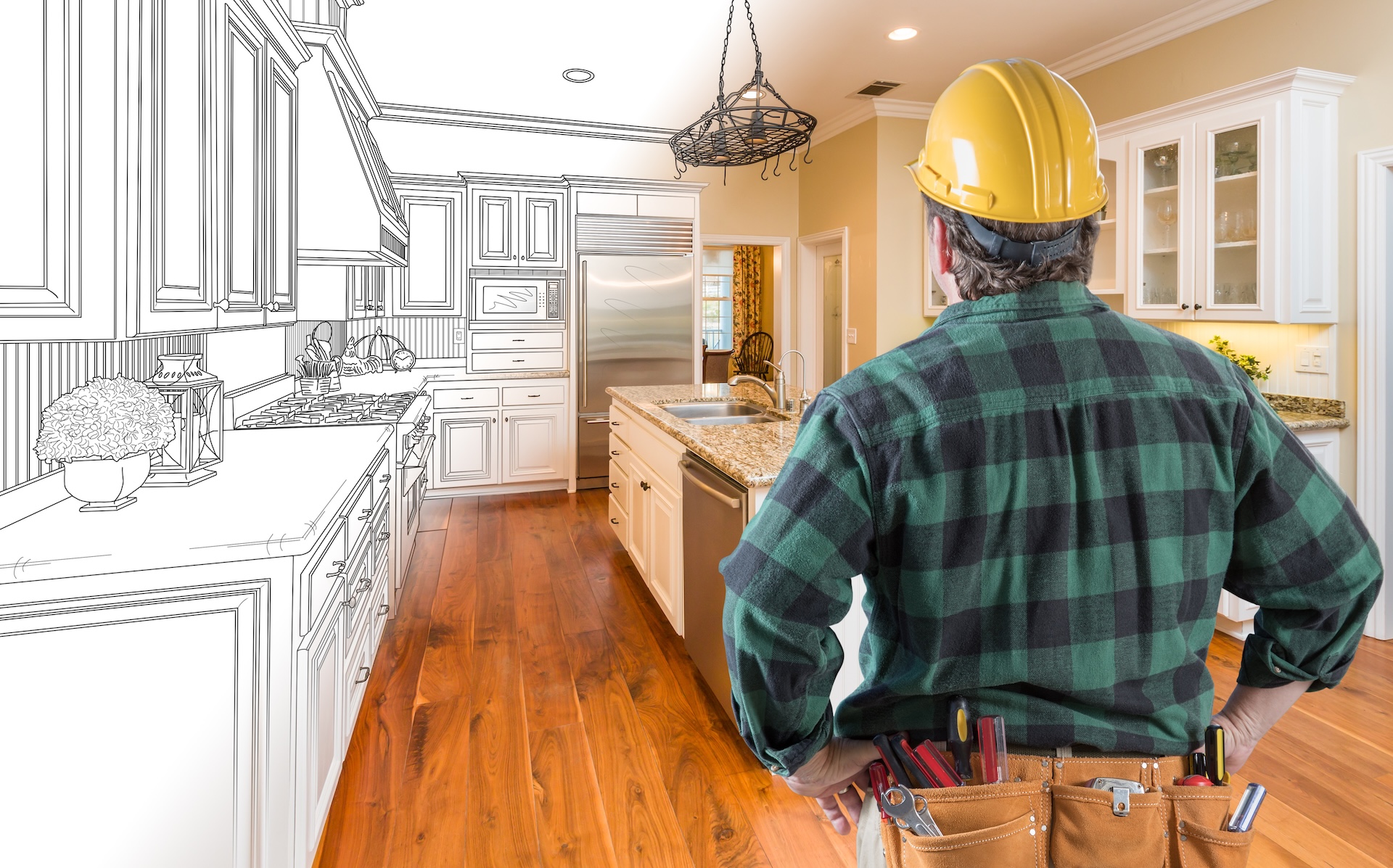
What Does A Builder Actually Do?When most people think about building or renovating a home, they picture the visible parts of construction—framers raising walls, electricians wiring a home, or painters putting on the finishing touches. But behind every successful project is someone coordinating all of those moving pieces: the general contractor. A general contractor does much more than hire subcontractors or oversee construction. They manage the countless details, decisions, and logistics that keep a project moving from concept to completion. At Bicycle Bungalows, we believe understanding a builder's role helps homeowners feel more confident throughout the construction process. Here's a closer look at what a general contractor actually does—and why that role is so important.

July 29, 2026
10 Features Homeowners Wish They Had Included During ConstructionWhen planning a custom home, renovation, or addition, it's easy to focus on the big decisions—floor plans, countertops, cabinetry, and finishes. But after construction is complete and homeowners have lived in the space for a while, it's often the smaller details that make the biggest difference in day-to-day life. At Bicycle Bungalows, we've seen firsthand which features homeowners appreciate years after moving in—and which ones they wish they had considered before construction began. Here are ten upgrades that consistently deliver long-term value, convenience, and functionality.

July 15, 2026
Designing Outdoor Living Spaces You'll Actually UseA great backyard is about more than a beautiful patio or a built-in grill. The best outdoor living spaces are thoughtfully designed to fit the way you and your family actually live. Whether you're hosting neighborhood cookouts, enjoying a quiet morning coffee, or spending evenings around a fire pit, every element should work together to create an inviting and functional extension of your home. At Bicycle Bungalows, we encourage homeowners to think beyond individual features and instead consider how their entire outdoor space will function. With the right planning, your backyard can become one of the most enjoyable "rooms" of your home.
July 8, 2026
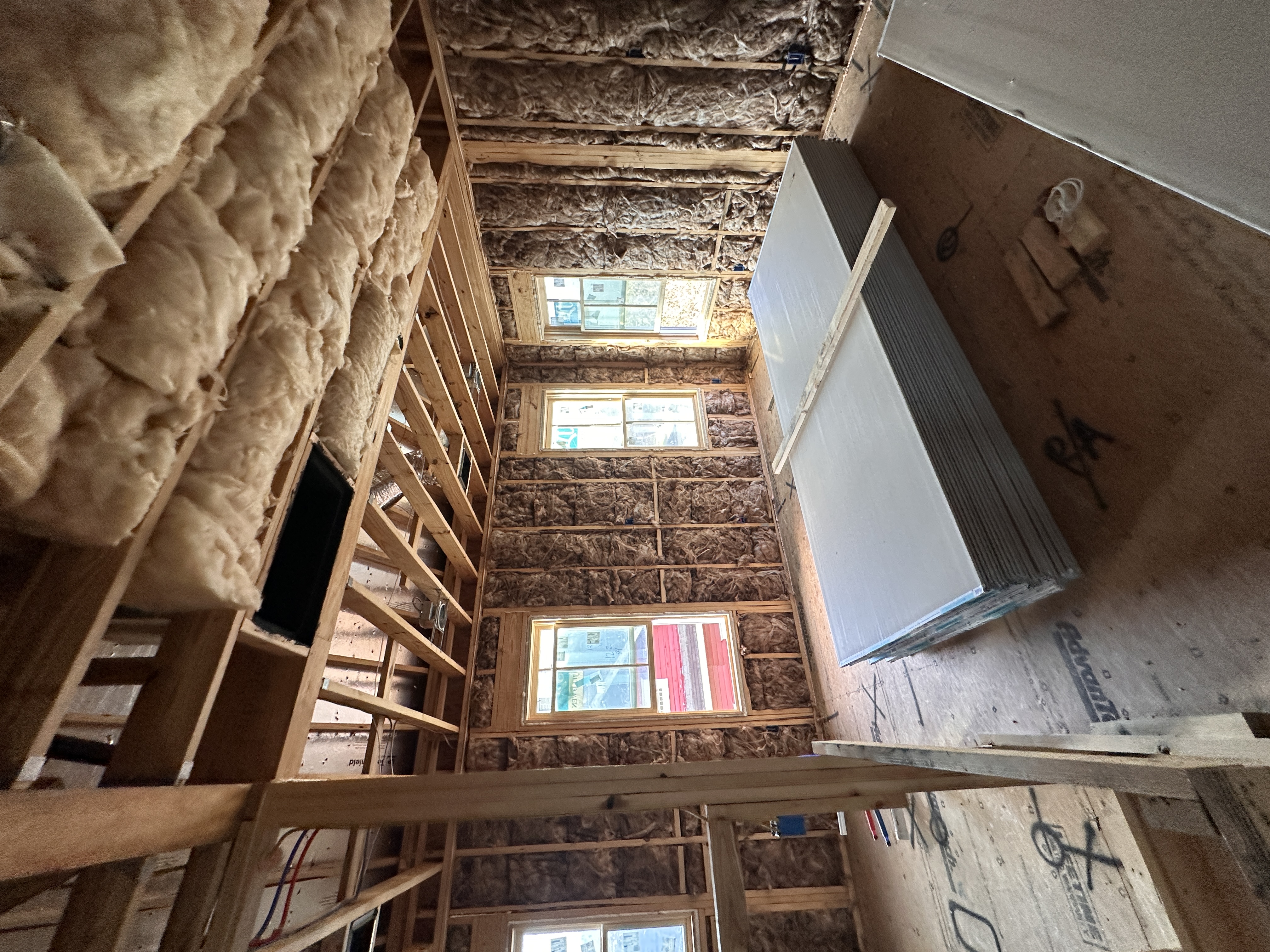
Building for the Houston Heat: Designing a Home That Stays Comfortable Year-RoundHouston's climate presents unique challenges for homeowners. Long summers, high humidity, intense sun, and frequent storms all place added demands on a home's performance. While air conditioning plays an important role, true comfort begins long before the HVAC system is turned on. It starts with thoughtful design and smart construction decisions.At Bicycle Bungalows, we believe a well-designed home should work with its environment—not against it. By considering how a home responds to Houston's climate from the earliest stages of design, homeowners can enjoy greater comfort, lower energy costs, and improved long-term durability.
July 1, 2026
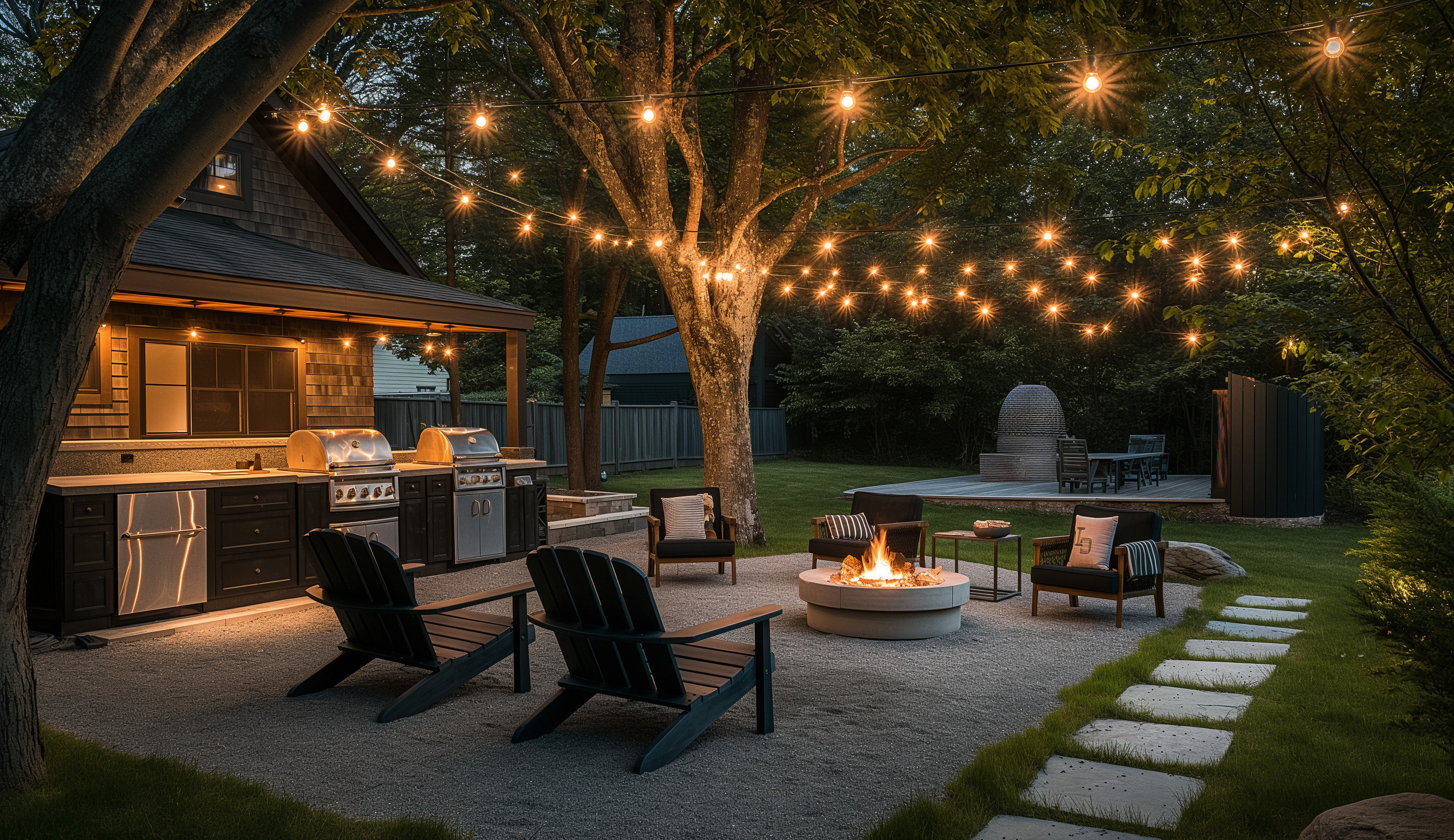
Outdoor Kitchens: Planning the Perfect Backyard Cooking SpaceThere’s a big difference between setting a grill on a patio and creating a true outdoor kitchen. A well-designed outdoor kitchen becomes an extension of the home—providing a place to cook, entertain, gather with family, and enjoy the outdoors year-round.Whether you're planning a simple grilling station or a fully equipped outdoor living area, thoughtful planning early in the design process can save significant time, money, and frustration later. Here are some of the key considerations we discuss with homeowners when designing an outdoor kitchen.
Contact us today
Let's Build Your Dream Home
Contact us today for a personalized consultation and discover how we can transform your space.